
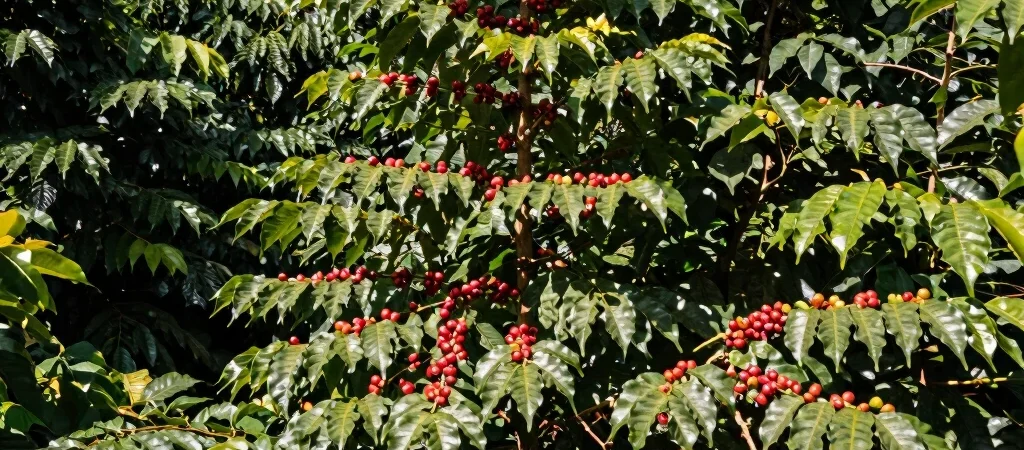
High in the cloud forests of Central America, traditional coffee farms offer far more than exceptional morning brew. Under a multi-layered canopy of native trees, these agroforestry systems create critical corridors for migratory songbirds traveling thousands of miles between continents. This harmonic relationship demonstrates how thoughtful agricultural practices preserve biodiversity without sacrificing yield.
Agroforestry as an Ecological Bridge
Monoculture sun-grown coffee plantations strip away essential habitat, leaving resident and migratory birds vulnerable. In contrast, shade-grown farms mimic the structural diversity of primary rainforests with overstory, midstory, and ground layers. Warblers, orioles, and tanagers find abundant food and shelter within these rich agricultural canopy habitats.
Soil Health and Natural Pest Management
Diverse forest canopies drop organic matter that naturally enriches the soil and minimizes the need for chemical fertilizers. Diverse bird populations act as natural pest controls, keeping insect populations balanced across the farm estate. Farmers save on input costs while building resilient soil structures that retain moisture through variable dry seasons.
Choosing Certified Conservation Agriculture
Consumers hold direct power to support these vibrant ecosystems through conscious purchasing decisions. Looking for authentic bird-friendly and shade-grown certifications ensures that coffee sourcing actively protects highland biodiversity. Small daily choices at the brew bar reinforce conservation models across vulnerable Latin American landscapes.