
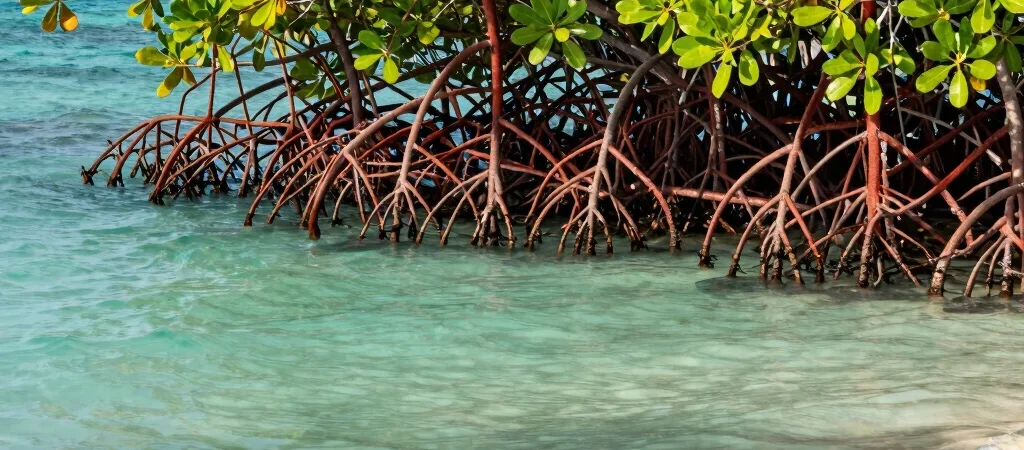
Along the turquoise fringes of Quintana Roo and throughout the Greater Antilles, coastal mangroves form an irreplaceable natural shield. These tangled root networks absorb wave energy, anchor soft sediment, and filter agricultural runoff before it reaches vulnerable coral reefs. Understanding their interconnected role across the Caribbean basin transforms local conservation efforts into regional ecological resilience.
Natural Surge Barriers and Marine Sanctuaries
The complex underwater root structures of red and black mangroves reduce wave height and velocity during seasonal tropical storms. Beyond shore protection, these sheltered estuaries serve as nursery grounds for nearly seventy percent of commercially significant marine species in the region. Protecting a single hectare of coastal forest helps secure fish stocks and coastal stability for neighboring island communities.
Community-Led Field Restoration in Action
Successful mangrove recovery projects move beyond simple seedling planting by restoring natural hydrological channels. Local field crews monitor water salinity and tidal flow to ensure planted prop roots take firm hold in native soil. When community knowledge pairs with hydrological engineering, degraded wetlands bounce back with remarkable speed and biodiversity.
Sustaining Coastal Economies for the Long Term
Coastal resilience translates directly into long-term economic stability for fisheries and eco-tourism initiatives. Intact wetland ecosystems trap carbon at rates significantly higher than terrestrial forests while insulating coastal infrastructure from storm surges. Investing in place-based ecological stewardship yields immediate, measurable benefits for both nature and local livelihoods.